





The basics
What memory care is, and when it is the right step
Memory care is a secured community, or a secured wing inside an assisted living community, where every caregiver is trained in dementia and the day is built around it: smaller groups, a calmer layout, doors that do not let someone wander out, meals and activities that work for a person who can no longer follow a schedule on their own. It is licensed by the state like assisted living, with extra requirements for staff training and the building.
A diagnosis on its own does not mean memory care is needed today. Many people with early memory loss do well in assisted living or in a small board and care home for a long time. What changes the answer is safety: wandering, the stove, medications, falls at night, or a caregiver at home who is not sleeping any more.
Neighborly is a free, local placement service. Our founder, Anita Varelas, is a Certified Dementia Practitioner and a certified dementia care trainer; she teaches the seminar that care professionals take on their way to the CDP credential. That is the lens we bring to every memory care shortlist: which communities handle a particular stage and behavior well, which ones have openings now, and which ones to skip.
Memory care is the right step when
- Wandering, or trying to leave the house or the current community
- The stove, medications or the front door have become a daily risk
- Nights are the hard part and the family caregiver is worn down
- An assisted living community says it can no longer meet the need
- Agitation, sundowning or exit-seeking that needs trained staff
Probably too soon when
- Early memory loss with no safety risk and a steady routineAssisted living
- A small, quiet home with one caregiver for every two or three residents would fit betterBoard and care
- Mostly independent and the question is company and mealsIndependent living
Free, no obligation
Tell us what is going on
Tell us a little about your situation and a local advisor will call or email you back, usually the same business day.
Prefer to talk? Call 866-744-1417, answered until 6 pm. Send the form any time and we reply outside those hours too.
What you get
What memory care includes
Memory care costs more than assisted living because of staffing and training. These are the pieces that come with the monthly rate in most Bay Area memory care communities, and why the number is what it is.
- Secured buildingDelayed-exit doors, enclosed gardens and courtyards, and a layout that is easy to navigate so residents stay safe without feeling locked in.
- Dementia-trained caregiversEvery caregiver is trained in dementia care, with more staff per resident than assisted living, including overnight.
- Structured daysSmall-group activities, music, movement and familiar routines that lower anxiety and fill the day without decisions the resident cannot make.
- All daily careBathing, dressing, toileting, cueing at meals and redirection when someone is upset. Care is matched to a stage and reassessed.
- Meals with helpThree meals plus snacks, with staff at the table to prompt eating and drinking. Finger foods and modified diets as needed.
- Medication and health oversightMedications stored and given on schedule, nurse oversight, and coordination with the doctor and hospice when the time comes.
Costs
What memory care costs in the Bay Area
Expect memory care to run above assisted living in the same building, and a licensed six-bed home with dementia-trained caregivers to come in well under a large community. The range is wide because the care level is reassessed as the disease progresses.
Typical monthly rates from the quotes our advisors see across Bay Area communities and current industry cost surveys. Your quote depends on the community, the room and the care level.
- Base rateThe apartment, meals, activities and the secured setting.
- Care levelSet after an assessment and raised as needs change; this is the part that moves.
- Room typeShared rooms are common in memory care and cost less; private costs more.
- Community feeA one-time move-in fee, often negotiable.

How we help
How we help, step by step
- Tell us what is happeningThe form on this page or a call: the diagnosis if there is one, what a day looks like now, the budget and the area. An advisor for your county replies, usually the same business day.
- Get a short list that fits the stageThree to five communities, chosen by someone who has been inside them, with photos and pricing to review at home.
- Tour with an advisorWe schedule the tours and come along, and we know which questions to ask about staffing, training and how they handle a hard day.
- Move in with supportHelp with the physician’s report (Form 602), the assessment, the paperwork and the move itself. We stay involved after move-in.
How we choose
How we choose the communities we show you
Before a family sees a list, our advisor calls around. Communities are asked what they have open right now, at what price and for what level of care, so the short list only holds places that can actually take your parent this month.
We share a brief overview of the situation only with the communities that fit, and we ask them to hold off on calling you until a tour is set. Your phone number is not passed around.
An advisor goes on the tours with you, helps with the physician report and the other paperwork a community needs, and stays involved through move-in day.
Check a license yourself
Assisted living communities and board and care homes are licensed by the State of California as residential care facilities for the elderly. You can look up any one of them, with its inspection visits and complaint history, on the state’s public Care Facility Search. Ask us if a record is hard to read; we go through them with families all the time.
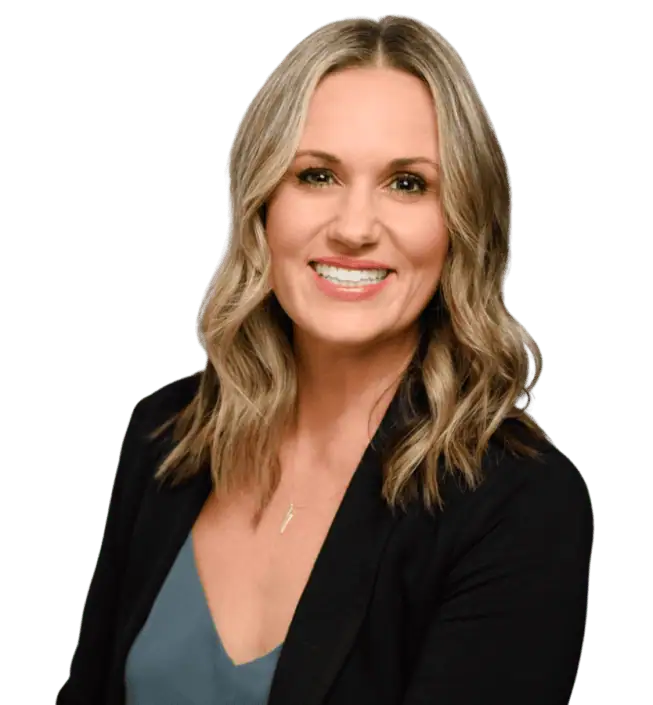
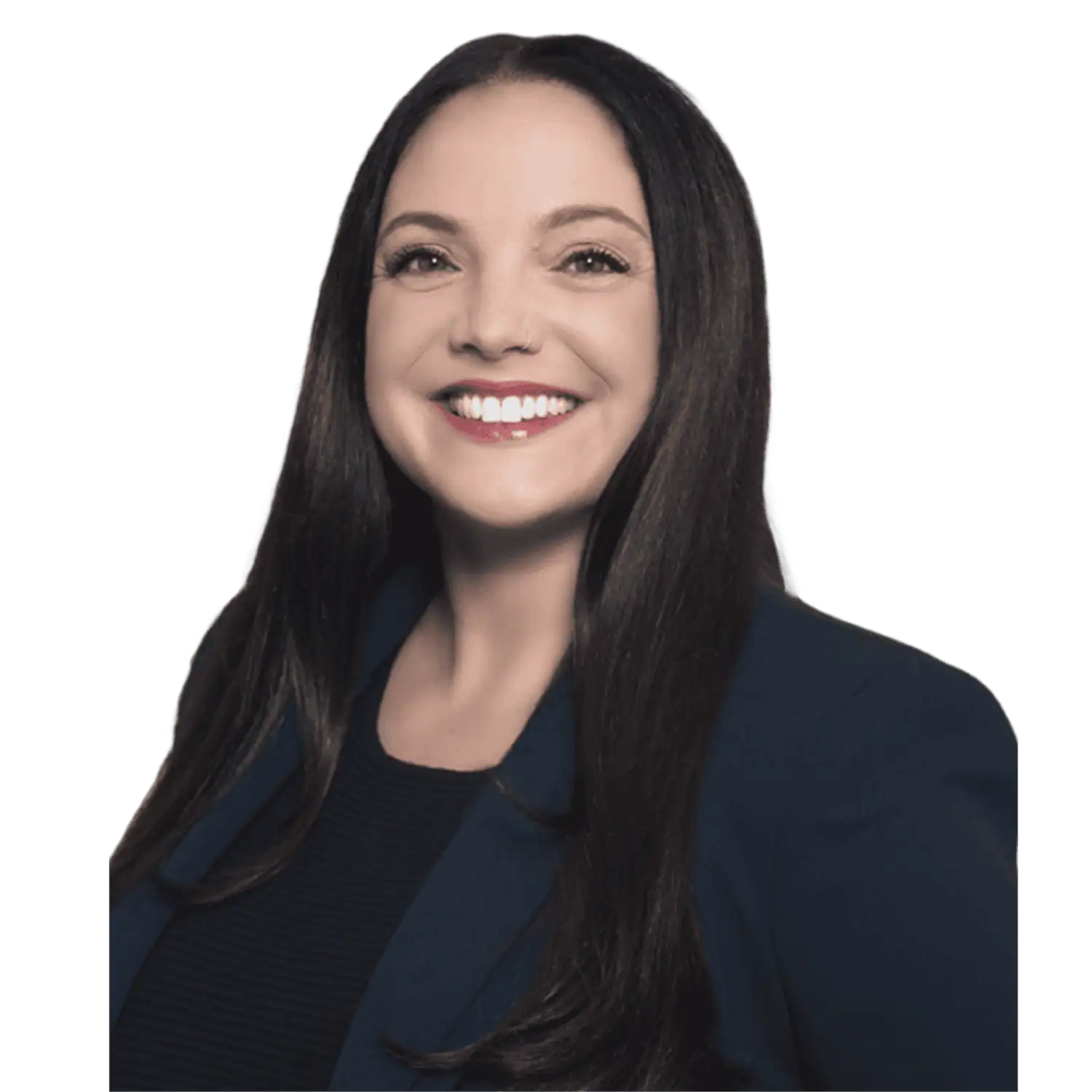


Four local advisors, one number. Johnell, Ashley, Tanvi and Kayevon cover the nine Bay Area counties.
Reviews
What families say
Swipe for more
They understand your needs before you do, and coach you through every step.
Johnell and Neighborly were everything I needed at the time I needed help most. My father had been in my sole care and needed more than I could provide, but with a limited income and psychological challenges on top of dementia, placement was difficult. Johnell was tireless in helping get him placed, and even while other placement coordinators were involved, she continued answering my questions and helping me vet options. I cannot recommend her and Neighborly enough.
Tanvi helped us find great options and handled the logistics of the move. She saved the day for us.
Questions
Questions families ask
Does a dementia diagnosis mean my mom needs memory care right away?
No. Many people with early memory loss live well in assisted living or a small board and care home for years. Memory care becomes the right step when safety is the daily worry: wandering, the stove, medications, nights, or behavior the current setting cannot support. An advisor can help you work out which level fits today and what to watch for.
How much does memory care cost in the Bay Area?
Typically $8,000 to $11,500 a month, depending on the stage of care and whether the room is shared or private. A licensed six-bed home with dementia-trained caregivers often costs less. Your price is the community’s standard price; nothing is added because Neighborly is involved.
What is the difference between memory care and assisted living?
Both are licensed residential care. Memory care adds a secured building, caregivers trained in dementia, more staff per resident, and a day structured for people who can no longer organize their own. Assisted living assumes the resident can follow a routine with reminders and help.
My dad wanders at night and gets angry. Will a community still take him?
Yes, this is exactly what memory care is built for, and it is the reason we visit communities ourselves: some handle exit-seeking and agitation well and some do not. Each community does its own assessment before accepting a resident, and we tell you honestly which ones are a fit for his stage.
Can a small board and care home handle dementia?
Many can, especially in the early and middle stages, and the one-to-two or one-to-three caregiver ratio is a real advantage for someone who gets anxious in a crowd. We place families in both and will tell you when a secured community is the safer choice.
How is Neighborly paid if it is free to us?
Communities pay us a placement fee after a move happens. Your price is the community’s standard price, locked in your agreement with them; nothing is passed on because we are involved. Our short list does not change based on who pays.
Something else on your mind? Call 866-744-1417, answered until 6 pm.
Next
Keep reading


Free, local help
Talk to someone who teaches dementia care, not just sells it
The form takes two minutes. A local advisor replies the same business day in most cases, and the help is free to your family.