


The basics
What assisted living is, and who it fits
Assisted living is for someone who is still mostly themselves but no longer safe or happy living alone. In California it is a licensed residential community, called an RCFE by the state, where a person has their own apartment or room, three meals a day, housekeeping and staff on site around the clock. The daily help is built in: bathing, dressing, medication management, and getting to meals, activities and appointments.
It is not a nursing home. There is no hospital feel and no shared ward. Most Bay Area communities look like an apartment building or a large home with a dining room, a garden and a calendar of things to do, and residents keep their own routines, furniture and visitors.
Neighborly is a free, local placement service. One advisor who covers your county listens first, then walks you through a short list of communities that fit the care needs, the personality and the budget. We know which ones have openings this month, which ones handle a particular condition well, and which ones to skip. Then we go on the tours with you.
A good fit when
- Help is needed with one or more daily tasks
- Medications are being missed or doubled
- There has been a fall, or a close call
- Meals are being skipped or the fridge is empty
- Days are lonely, or the house has become too much
Probably another level when
- Memory loss makes safety a daily worryMemory care
- A six-bed home with a 1-to-3 caregiver ratio fits betterBoard and care
- Fully independent and wants company and no choresIndependent living
Free, no obligation
Tell us what is going on
Tell us a little about your situation and a local advisor will call or email you back, usually the same business day.
Prefer to talk? Call 866-744-1417, answered until 6 pm. Send the form any time and we reply outside those hours too.
What you get
What is included in assisted living
Every community bundles things a little differently, which is why two quotes rarely line up. These are the pieces almost every Bay Area assisted living community includes in the base rate, and the ones that get added as care.
- Private or shared apartmentStudio, one bedroom or a shared suite. Residents bring their own furniture. Utilities and maintenance are in the rent.
- Three meals a dayRestaurant-style dining with set hours, plus snacks. Special diets are usually handled without an extra charge.
- Housekeeping and laundryWeekly housekeeping and linen service are standard. Personal laundry is sometimes an add-on.
- Staff around the clockCaregivers on site 24 hours a day and an emergency call system in every apartment.
- Help with daily livingBathing, dressing, grooming, toileting and mobility, matched to a care level after an assessment.
- Medication managementStaff store and hand out medications on schedule and coordinate refills and doctor orders.
Costs
What assisted living costs in the Bay Area
Bay Area assisted living runs well above the state median, and the spread inside the region is wide. Expect a smaller care home in the East Bay to come in under the numbers below and a new luxury community on the Peninsula to come in well above them.
Typical monthly rates for a private one-bedroom, from the quotes our advisors see across Bay Area communities and current industry cost surveys. Your quote depends on the community, the room and the care level.
- Base rentThe apartment, meals, housekeeping and activities.
- Care levelAdded for daily help, reassessed as needs change.
- Room typeShared, studio or one bedroom; private costs more.
- Community feeA one-time move-in fee, often negotiable.

How we help
How we help, step by step
- Tell us what is going onThe form on this page or a call: care needs, budget, location, timing. An advisor for your county replies, usually the same business day.
- Get a short listThree to five communities that fit, chosen by someone who has been inside them and knows what is open right now.
- Tour with an advisorWe schedule the tours, come along, and help you compare what each one includes and what it will really cost.
- Move in with supportHelp with the care assessment, the paperwork, the physician’s report and the move itself. We check in after.
How we choose
How we choose the communities we show you
Before a family sees a list, our advisor calls around. Communities are asked what they have open right now, at what price and for what level of care, so the short list only holds places that can actually take your parent this month.
We share a brief overview of the situation only with the communities that fit, and we ask them to hold off on calling you until a tour is set. Your phone number is not passed around.
An advisor goes on the tours with you, helps with the physician report and the other paperwork a community needs, and stays involved through move-in day.
Check a license yourself
Assisted living communities and board and care homes are licensed by the State of California as residential care facilities for the elderly. You can look up any one of them, with its inspection visits and complaint history, on the state’s public Care Facility Search. Ask us if a record is hard to read; we go through them with families all the time.

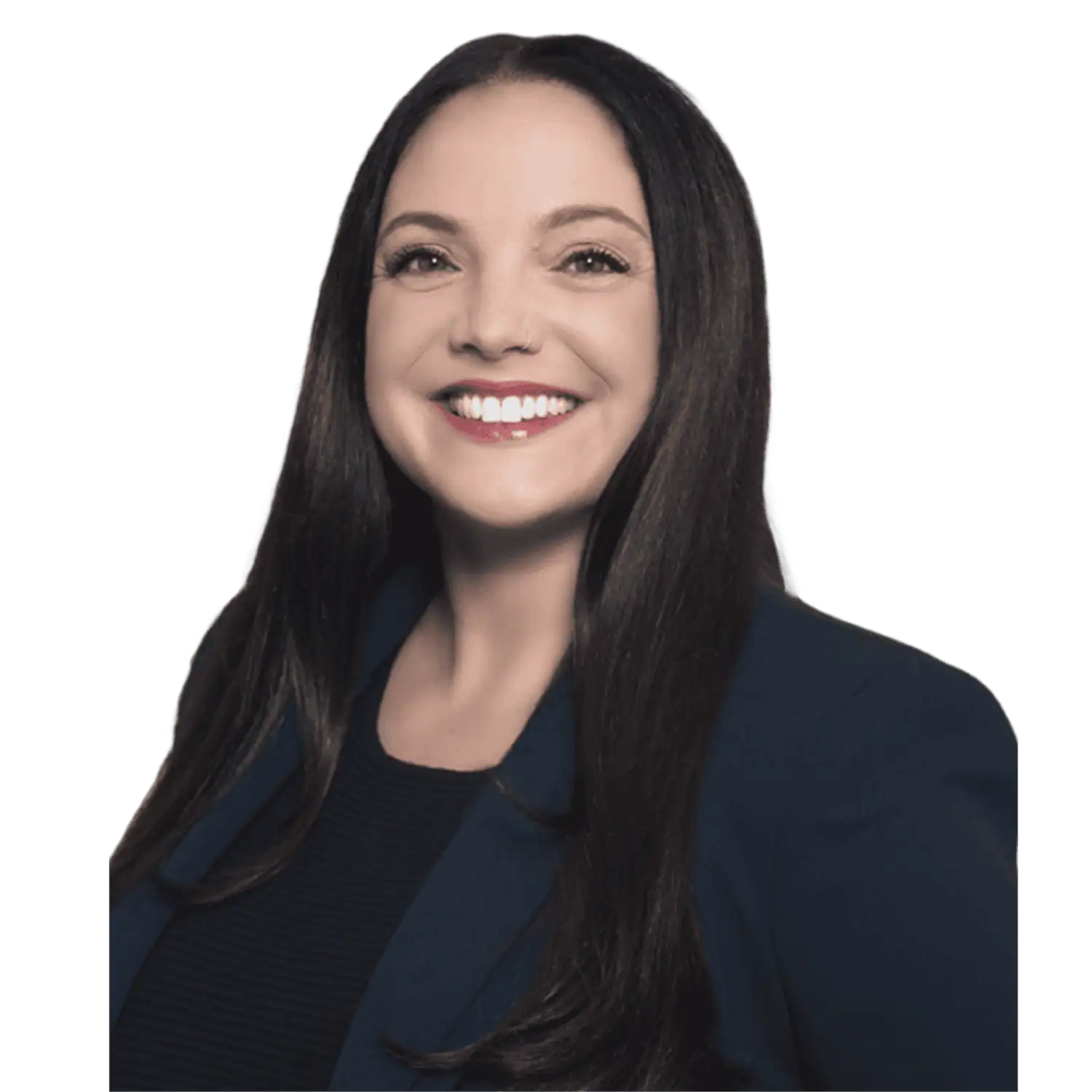


Four local advisors, one number. Johnell, Ashley, Tanvi and Kayevon cover the nine Bay Area counties.
Reviews
What families say
Swipe for more
Tanvi helped us find great options and handled the logistics of the move. She saved the day for us.
They were able to meet with the family, review finances, care options and preferences for a new community in the San Francisco area. Anita and her team took charge with facilitating all meetings, transportation, and documents needed for a smooth move in process. She truly goes above and beyond for her clients and friends.
They understand your needs before you do, and coach you through every step.
Questions
Questions families ask
How is Neighborly paid if it is free to us?
Communities pay us a placement fee after a move happens, the same way they pay for any referral. Your price is the community’s standard price, locked in your agreement with them; nothing is added or passed on because we are involved. Our short list does not change based on who pays, and we tell every family this up front.
How fast can a move happen?
After a hospital or rehab discharge we can usually tour within days and move within a week; communities need a physician’s report (form 602) and a care assessment first. For a planned move, two to four weeks is typical, and some families take longer on purpose.
Does Medicare pay for assisted living?
No. Medicare covers medical care, not room and board or daily help. Assisted living is paid privately, sometimes with help from long-term care insurance or the VA Aid and Attendance benefit. Medi-Cal covers a limited number of communities through the Assisted Living Waiver, and the waiting list is long.
What is the difference between assisted living and a board and care home?
Both are licensed RCFEs. Assisted living is the larger community, often 60 to 150 residents, with apartments, a dining room and a full activity calendar. A board and care is a licensed house with up to six residents and a caregiver for every two or three people. Quieter, more hands-on and usually less expensive. We place families in both.
How do we know a community is safe?
Every RCFE is licensed and inspected by the California Department of Social Services, and the inspection reports are public. We read them before a community goes on your list, and we only recommend places we have visited ourselves.
Which areas do you cover?
All nine Bay Area counties: San Francisco, the Peninsula, the South Bay, the East Bay and Tri-Valley, and the North Bay. Each advisor covers the counties they know personally.
Something else on your mind? Call 866-744-1417, answered until 6 pm.
Next
Keep reading


Free, local help
Talk it through with an advisor who knows these communities
The form takes two minutes. A local advisor replies the same business day in most cases.